Medicare Benefits Most Seniors Never Claim
Millions of seniors miss benefits they qualify for, often because they never receive notification.

BenefitsCheckUp from the National Council on Aging is a free starting point for finding Medicare, Medicaid, and other assistance programs by ZIP code. Free counseling from the State Health Insurance Assistance Program can help families use those results to apply for Medicare savings. An article on underused Medicare benefits explains why eligibility so often fails to become enrollment, and how guided discovery can close that gap.
Why millions of seniors are missing Medicare benefits they already paid into
A senior choosing between groceries and a prescription may already qualify for help paying for both. Yet roughly one in four adults 65 and older cuts back on food, utilities, clothing, or medication to compensate for healthcare costs. The financial strain is not always evidence of ineligibility. Often, the missing link is a notification that never arrives.
Medicare does not alert beneficiaries when falling income makes them eligible for savings. Owning a home or receiving Social Security can also seem disqualifying, even when the relevant rules say otherwise. Paperwork creates another barrier. Documentation demands and renewal deadlines can interrupt assistance without any change in underlying eligibility, while seniors eligible for both Medicare and Medicaid must navigate separate coverage rules and provider networks.
Medicare Savings Programs: the benefit that eliminates premiums and is still mostly unclaimed
The monthly Part B premium is an expense that Medicare Savings Programs can remove from an eligible senior’s budget. These programs have four tiers with different financial eligibility rules. Checking other tiers after a rejection under one threshold can keep an assumption about income from becoming an expensive mistake.
The Qualified Medicare Beneficiary program pays for Part A and Part B premiums and cost-sharing. SLMB and QI cover Part B premiums, with different income limits. Homeownership alone does not rule out assistance. The asset rules differ from what many seniors expect, so “I own my home” is not a sufficient reason to stop investigating.
Start with the state Medicaid office, with free, unbiased help available through the State Health Insurance Assistance Program, or SHIP. Its counselors can help sort out which rules apply instead of leaving families to interpret thresholds alone. There is also a prescription benefit attached. Enrollment in QMB, SLMB, or QI triggers automatic eligibility for Extra Help with Part D costs.
Extra Help with Part D: cutting drug costs for seniors who must apply to get it
Extra Help has its own application path for seniors who do not qualify for a Medicare Savings Program. It can be worth thousands of dollars annually through relief from Part D premiums, deductibles, and prescription costs. Qualifying seniors pay only small copays for covered prescriptions. Its income rules can include people who consider themselves middle-income, although savings are also part of the financial assessment.
Seniors can apply for Extra Help year-round through the Social Security Administration, online or in person. The National Council on Aging identifies Medicaid, Supplemental Security Income, and Medicare Savings Program enrollment as automatic enrollment triggers. Beneficiaries in those groups should confirm enrollment. Anyone receiving an Extra Help notice should also address any requested response instead of setting it aside because they believe they cannot qualify.
What the 2026 Medicare drug changes mean for seniors who are already enrolled
People can get some prescription savings without applying for a separate benefit. Negotiated lower prices on ten high-cost drugs took effect January 1, 2026, covering treatments for conditions including arthritis, blood clots, cancer, diabetes, and heart failure. For someone taking one of them, the relevant question is how the new price affects their own prescription spending.
The annual out-of-pocket cap on covered prescription drug costs also changed in 2026, rising from the previous year. The Medicare prescription payment plan also lets people spread their costs across the year. People who used that plan in 2025 are automatically reenrolled for 2026, which makes it important to distinguish a smoother payment schedule from a price reduction.
A further change starts in July 2026. CMS’s 18-month bridge program runs through December 2027 and lets Part D enrollees who qualify get certain GLP-1 weight-loss drugs for $50 a month without having to meet a deductible first. The included products are Wegovy injection and tablet, Zepbound KwikPen, and Foundayo tablet.
Home health care under Medicare: what is covered, what is excluded, and the rule most families get wrong
Medicare Part A and Part B cover home health services, but families often misunderstand the condition attached to skilled care. Under Part B, a homebound senior who requires skilled care can qualify without a prior hospitalization. Improvement is not always required.
The Jimmo v. Sebelius settlement in 2013 established that Medicare cannot deny coverage solely because a patient is not improving. Skilled maintenance nursing and therapy can be covered when a clinician is needed to maintain the patient’s condition. The distinction is between the need for skilled care and the expectation of recovery. When providers or families treat progress as a prerequisite, eligible seniors may never receive a referral for maintenance services.
That protection does not make all home assistance covered. Medicare excludes personal care when it is the only care needed, 24-hour home care, homemaker services, and meal delivery. Skilled nursing for a chronic wound falls on a different side of the boundary from help with bathing and dressing alone. Families told that home care is unavailable because someone “isn’t improving” should ask specifically about maintenance therapy coverage under the settlement.
Durable medical equipment: what Medicare covers at home, and the 2026 enrollment freeze that confused everyone
The 2026 supplier enrollment freeze left patients’ durable medical equipment coverage in place. CMS announced a six-month moratorium on February 25, effective February 27, that put Medicare enrollment on hold for certain new medical supply companies. Existing suppliers can continue providing equipment, so hearing about the freeze is not a reason to abandon a request for covered equipment.
Part B pays for equipment and supplies such as wheelchairs, hospital beds, oxygen equipment, and diabetic supplies. After the deductible, Medicare pays most of the Medicare-approved amount, with the beneficiary paying the remainder. A more specialized benefit is therapeutic footwear for qualifying diabetic beneficiaries, including one pair of custom-molded or depth shoes with inserts per calendar year, subject to Part B cost-sharing.
Falls prevention programs and home safety funding seniors rarely know to ask for
Falls are the leading cause of injury among older adults, but prevention support is not found only through Medicare. Eligible seniors may have access to free balance training, home safety assessments, and structured exercise through Medicare-related or community health initiatives. The funding source changes the route to help. Availability through a community organization should not be mistaken for a promise that Medicare pays for every service or home modification.
STEADI is a falls risk reduction initiative for healthcare providers, while A Matter of Balance is a structured group intervention. Area Agencies on Aging and community health organizations often coordinate local prevention resources. The practical step is to ask the local agency which falls prevention and home safety programs are available by ZIP code.
SSI, SNAP, and other income-support benefits that interact with Medicare eligibility
Supplemental Security Income can start a cascade of assistance. Receiving SSI qualifies a senior for Medicaid in most states and automatically triggers Extra Help eligibility. SSI is not a Medicare benefit, but treating the two as unrelated can obscure how assistance actually reaches a household.
Owning a home or having some savings does not, by itself, settle SSI eligibility. Specific financial rules govern the decision. SNAP also uses different eligibility provisions for households with adults 60 and older, including deductions for certain out-of-pocket medical expenses above a monthly threshold. BenefitsCheckUp and an Area Agency on Aging can help families start to sort out these links without having to learn how the rules differ in every state.
The Low Income Home Energy Assistance Program helps with heating and cooling, while some states offer pharmaceutical assistance that works with Part D. Older homeowners may also qualify for property tax exemptions, freezes, credits, or deferrals. Because those provisions vary by state and county, checking with the county tax assessor annually is worthwhile.
Veterans benefits and Aid and Attendance: what senior veterans and surviving spouses qualify for but rarely claim
Aid and Attendance is a VA pension benefit for eligible veterans and surviving spouses who need help with daily activities. Needing that assistance can be relevant even decades after military service. A service-connected disability is not the only eligibility consideration. The care people need now and their finances matter, and surviving spouses may still qualify for benefits after the veteran’s death.
This support is distinct from healthcare through the Veterans Health Administration, which provides qualifying veterans with primary care, mental health services, specialty care, and prescriptions at little or no cost. Pension assistance and healthcare answer different needs. Aid and Attendance also has an important Medicaid interaction because its income generally does not count against Medicaid income limits. VA.gov or 1-877-222-8387 provides an entry point for investigating veterans’ healthcare and pension assistance.
Medicaid self-directed care and paid family caregiving: the benefit that pays the caregiver who is already doing the work
Medicare does not pay family caregivers, but Medicaid might. With Medicaid self-directed care, a person who qualifies can choose a family member to be paid to care for them. Hourly programs typically provide regular W-2 wages through a financial management agency. KFF focus group research found that family caregivers often cut back on paid work or leave their jobs to give care, so those wages replace lost earnings.
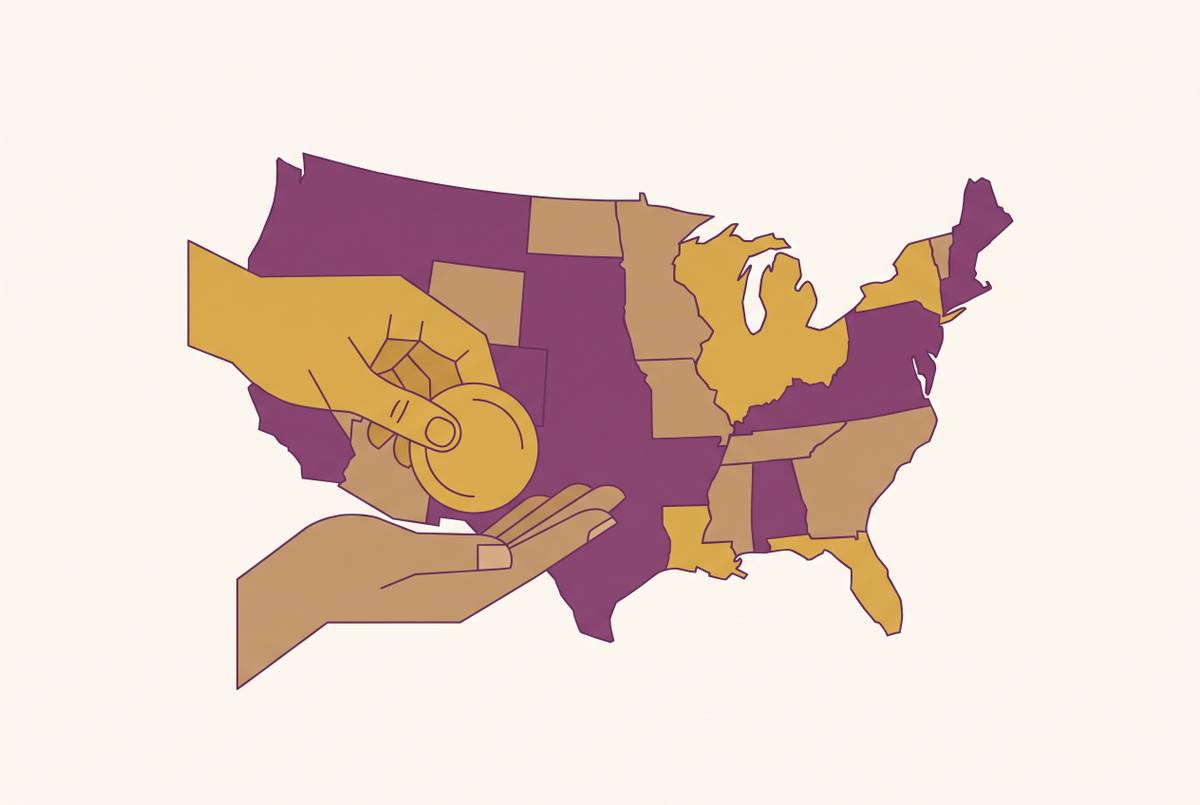
State program names provide useful starting points. California has In-Home Supportive Services, and New York has the Consumer Directed Personal Assistance Program. Ohio PASSPORT and Michigan MI Choice are Medicaid waivers that offer self-direction options, while Texas STAR+PLUS has a self-directed option as part of managed care. Other routes include Wisconsin IRIS, Arizona ALTCS with options such as SDAC, and Florida PDO. These programs differ, so each requires an eligibility inquiry.
Structured Family Caregiving uses a different payment model. Available in 11 confirmed states as of 2026, it pays a daily stipend for live-in care that is generally excludable from federal income tax under IRS Notice 2014-7, although FICA taxes may still apply. Family roles also affect eligibility. Under the federal self-direction options defining a representative role, Section 1915(j) and Community First Choice, the person directing care for the recipient generally cannot also be the paid caregiver. Spouse eligibility varies sharply by state, while adult children, siblings, and other relatives are more broadly eligible.
The strongest financial result may come from more than one program, since Medicaid consumer-directed pay, VA Aid and Attendance, and employer paid family leave can apply to the same family simultaneously. Subject to individual eligibility rules, that possibility shows why an inquiry limited to “Does Medicare pay caregivers? can end before the relevant assistance comes into view.
How can families find and claim these benefits without paying for help?
BenefitsCheckUp is a free discovery tool for programs across Medicare, Medicaid, SNAP, utilities, and other needs by ZIP code. SHIP offers free, unbiased Medicare counseling and can help with Medicare Savings Programs and Extra Help. An Area Agency on Aging fills a different gap by identifying local meals, transportation, falls prevention, and community services. A household looking for broad possibilities needs screening, while someone struggling with a Medicare application needs counseling.
The practical sequence is to begin with BenefitsCheckUp or an AI benefit screener, then take relevant results to SHIP, the state Medicaid office, or the Social Security Administration. SSA accepts Extra Help and SSI applications online or in person. AI-assisted discovery can be another way to organize state rules, family relationships, and possible program combinations. But an instant screening result should not be confused with an agency’s eligibility decision, and the notes establish no single AI tool as a free, definitive checker.
What should a family do if several programs look relevant? Starting with a Medicare Savings Program or SSI inquiry can be productive because enrollment may trigger other assistance. For millions of eligible seniors, the benefits already exist. The next step is turning that eligibility into a claim.